Liberating insights regarding the usefulness and limitations of Music Theory and bridging the gap between Music Theory and Music Practice…
Table of Contents
Prerequisites
LOVE of music and the discipline to study and practice the right things the right way.
Lesson Goals
To understand the usefulness and limitations of music theory and how this applies to music study, practice, and performance…
back to… Table of Contents
Usefulness of Music Theory
Whether you read music or play by ear, a strong theoretical foundation in scales, chords, chord progressions, harmony, melody, form, meter, rhythm, solfege, ear training, and reading will transform you into a superior musician. The study of music theory, done right, teach you priceless lessons in how music works.
back to… Table of Contents
Patterns, Patterns, Patterns
Although theories are sometimes awkward and inadequate attempts to explain the ineffable, a good theory enables us to see, hear, and feel recurring patterns… patterns that tap into the universal nature of how music works. A useful theory helps us to organize the way we hear, think about, respond to, and perform music using our pattern-loving minds.
back to… Table of Contents
Reality Check
The real test of a sound music theory is this: Is the way the theory explains the music consistent with the way that we experience the music? If the answer is no, the theory is flawed, inadequate, or at least incomplete. And so, a useful music theory is only as good as its consistent ability to explain a music practice.
back to… Table of Contents
Left Brain and Right Brain Harmony
The way you think about the music (the LEFT side of your brain) should match the way that you hear and feel the music (the RIGHT side of your brain). A theory is useful to the extent that it accomplishes this task. To that end, Piano-ology is forever committed to aligning theory and practice with each other… and with musical reality.
Every time we name something (a name is an abstract invention of our logical minds), there’s a risk of distancing ourselves from the actual experience (the concrete reality) of that something. That said, a useful theory should enhance our understanding, appreciation, and enjoyment of the music, not lead us farther away from intimacy with those things.
back to… Table of Contents
Music is NOT Math
Beware music theories that reduce music to abstract mathematical constructs. Because, if you study and practice music as if it were math, you will wind up playing music as if it were math. It will sound like, and more importantly feel like you are playing math, not music. In other words, it will sound stiff, calculated, and uninspired.
back to… Table of Contents
What’s the Goal?
The goal of studying Music Theory is to perform better, not to get good grades on a music theory test.
back to… Table of Contents
The Gap Between Theory and Practice
A theory is an attempt to explain something that works. The beauty of art is that theory doesn’t explain everything that works.
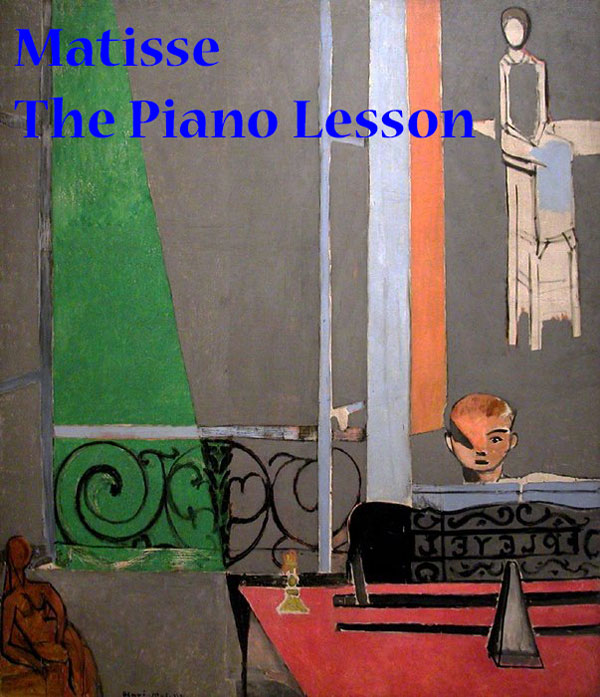
That’s why good music is created and performed by artists, not computers. There will always be a gap between theory and practice, because beauty cannot be described using mere language, explained using mere logic, or created using a clever set of formulas. And so, we need to go of the compulsive need to explain everything. It’s ok to accept and enjoy.
back to… Table of Contents
Limitations of Music Theory
Every theory has its limitations. Let’s us count the ways..
- Every theory is an abstract oversimplification of a concrete reality.
- Your experience of the music will always be more than your ability to describe it with mere words or formulas. That is the real beauty of music and art in general.
- Every time we name something (a name is an abstract invention of our logical minds), there is a risk of distancing ourselves from the actual experience (the concrete reality) of that something.
- If we take theory too far, it’s possible to split things up (analysis) to the point where we can’t put them back together again (synthesis).
The ultimate goal is to abandon naming things altogether. Think of letter names, numbers, and solfege like [left-brain] training wheels that you will soon abandon as you connect them to [right brain] experience.
back to… Table of Contents
Takeaways
Because music evokes universal emotional reactions across cultures that tap into deep and primitive “places of knowing” that cannot be described using mere words and have no need for translation.
At some point, the logical theory of music must yield to the inexplicable art of music. Our emotional response to a haunting Gregorian chant, heroic Beethoven Symphony, melancholy Chopin Waltz, rousing Sousa March, toe-tapping Joplin Ragtime, swinging Ellington Blues, or quizzical Monk piano solo cannot be explained by music theory any more than the tortured figures of Picasso or the anguished couplets of Shakespeare can be reduced to mere logic. So, never view music theory as a rigid set of rules. Use the theory that gets you closer to the true essence of the music and don’t get too hung up on the rest.
back to… Table of Contents
learn more… Music Composition
Excellent article to remind me to study theory cautiously. Thanks!
Thanks a bunch for sharing that, David. Music to my ears!